
For almost everything you cook, yes: frozen meat done right is as good as fresh. The freezer does not age meat and it does not drain the flavour out. What changes is water. How that water is managed, first by the freezer and then by your thaw, decides whether anyone at the table can tell the difference.
The usual problem. The chiller shelf feels like the premium choice, so the freezer aisle gets treated as the backup. But meat on a Singapore shelf has travelled either way, and some of what sells as chilled was frozen for the trip. You are not choosing between farm and freezer. You are choosing who does the freezing, and how well.
What freezing actually does
Meat is mostly water. Freeze it and that water turns to ice crystals, and the crystals are the whole story. Big ones tear more muscle cells on the way in, and torn cells leak juice when the meat thaws. That leak is the pink pool you sometimes see in a tray, and it is moisture the meat no longer has.
Speed decides crystal size. A slow freeze grows big crystals. A fast freeze keeps them small. That is the case for flash freezing: commercial freezers take meat from chilled to solid far faster than the freezer at home can, so the crystals stay small and the meat holds more of its juice when it thaws.
It is also why meat frozen at the source usually beats meat you froze yourself after it sat three days in your chiller. The freezer is not the risk. The slow road into it is.
Texture: what you will notice, and what you will not
Side by side, a thawed steak can give up a little more juice in the pan than a never-frozen one. In a stew, a curry, a stir-fry, a marinade, or anything finished in sauce, that difference disappears. Long cooking and sauces close small moisture gaps completely.
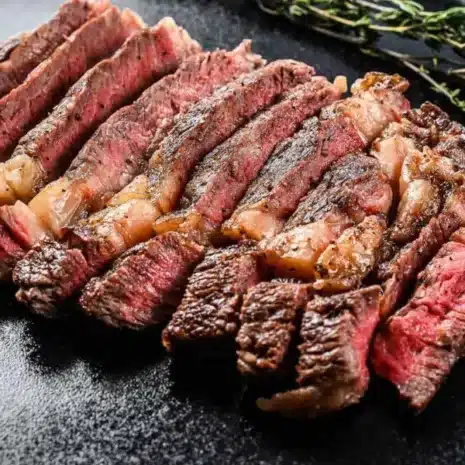
Where you might notice is a thick cut cooked plain: a steak seared with nothing but salt. Even there, a well-frozen and slowly thawed steak comes out juicy. The dry, grey frozen-meat dinners people remember almost never come from the freeze. They come from the thaw. Prawns work differently, and thawing prawns fast without the rubber is its own method.
Chilled vs frozen, on practical grounds
| Chilled | Frozen | |
|---|---|---|
| Time to cook it | Days, racing the label | Months of margin in the freezer |
| Price for the same cut | Usually higher | Usually lower |
| Planning needed | None, cook it soon | Thaw the night before |
| How you buy | Small amounts, more trips | Stock up once, portion out |
| Waste when plans change | High | Low, it waits for you |
The price gap has a simple cause. Freezing lets suppliers ship by sea instead of air, buy in volume, and lose far less to spoilage, and the shelf price carries that saving. The waste line matters just as much in a small kitchen: chilled meat bends your week around a use-by date. Frozen meat bends around you.
When chilled still makes sense
Cooking tonight, shopping on the way home, no plan made this morning: chilled saves you the thaw, and on a busy week that convenience can be worth the extra dollars. Just be clear about what you are paying for. It is a head start on dinner, not a better piece of meat.
What the freezer really changes over time
The freezer holds meat still, but not forever and not against bad packing. Air is the enemy. Where air touches the surface, the meat slowly dries into pale, leathery patches. That is freezer burn. It is not spoilage, and you can trim it away, but the patch itself will cook up dry and flat no matter what you do.
Fat is the other clock. Over months, fat slowly picks up stale flavours from the freezer around it. That is why a chop buried since last year tastes tired while a tightly wrapped one from last month tastes new. Wrap everything tight, press the air out, write the date on the bag, and cook the oldest packs first.
How to buy frozen meat well
- Pick packs that are frozen hard and sealed tight. Vacuum-sealed cuts keep best because air is what dries frozen meat out.
- Skip packs with heavy frost or ice chunks inside the bag. That frost is moisture that left the meat somewhere along the way.
- Make the freezer aisle your last stop, and get the meat home and into your freezer before it softens.
- Portion before you freeze anything yourself, so you never thaw more than one meal at a time.
The thaw is the whole game
Thaw in the chiller, overnight, on the lowest shelf. SFA recommends thawing frozen food in a chiller kept between 0°C and 4°C rather than on the counter, and says to cook thawed meat immediately and not refreeze it.1 A rushed warm thaw undoes everything the fast freeze protected: the outside sits warm and weeps while the core is still solid. Give the freezer’s work a slow exit and the steak that comes out is the steak that went in. Chicken breast is the least forgiving, and the defrost method matters most there.
Frozen done right is just meat
Frozen fast at the source, thawed slow in your chiller. That is the whole trick, and the beef shelf is a good place to start.
- Singapore Food Agency, Guidelines on Thawing of Food (updated 27 Sep 2024): “Frozen food should therefore not be left to thaw at room temperature, to prevent food poisoning bacteria that may be present from multiplying to high levels. Frozen food is recommended to be thawed in the chiller maintained at a temperature not below 0ºC and not above 4ºC, or by using a microwave oven.” The same document adds: “Check for ice crystals in the food using your hand or a skewer”, and “Cook thawed meat immediately and do not refreeze thawed food.” sfa.gov.sg ↩︎