
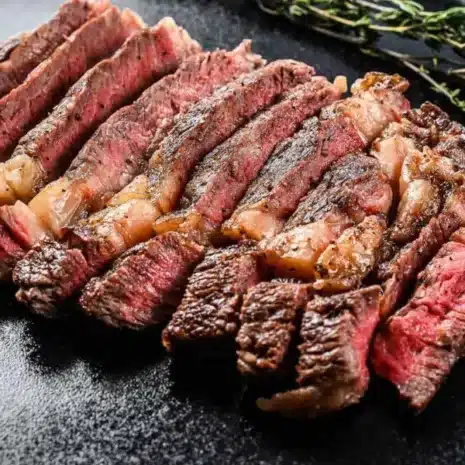
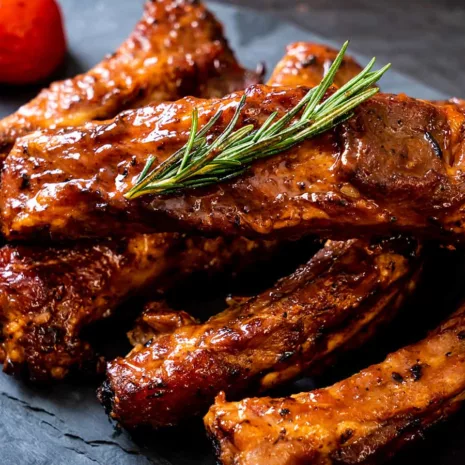




Frozen mutton shoulder is the right cut for briyani at home, because it is the only one that survives a long braise and then another 25 minutes under a lid of rice. Marinate it in yoghurt overnight, cook it down into a thick masala on its own, parboil the rice separately, then layer the two and steam them together on the lowest flame you have. A Sunday dish for four to five, cooked in two pots, no charcoal and no drama.
The usual problem. Home briyani goes wrong in one of two directions. Either the rice turns to porridge because the mutton was still releasing liquid, or the mutton is tough because it went into the pot raw with the rice and never got the hours it needed. Both come from cooking the meat and the rice on the same clock. They are not on the same clock.
Why shoulder, and why frozen
Shoulder has the collagen and fat to sit in a pot for two hours and come out soft rather than shredded. Leg goes stringy and then dries out completely during the steaming stage. Buy shoulder bone-in for the best gravy, boneless if you want to serve briyani with a spoon.
Frozen suits this dish. You are planning a day ahead for the marinade anyway, so the shoulder thaws in the chiller overnight. Check the pack first: dry grey patches and heavy ice crystals mean the meat has dried out in the freezer, a poor start for a dish this long. Know which animal you have too, since lamb and mutton behave differently: lamb shoulder is tender in half the time.
What you need
- 1kg mutton shoulder, trimmed of hard fat and cut into 4 to 5cm chunks
- 250g plain yoghurt, 3 tablespoons ginger garlic paste, 2 teaspoons salt
- 2 teaspoons chilli powder, 1 teaspoon turmeric, 2 teaspoons garam masala, 1 teaspoon ground coriander, juice of half a lime
- 4 large onions, sliced thin, plus oil or ghee for frying
- 3 tomatoes, chopped, and a handful each of mint and coriander leaves
- Whole spices: 1 cinnamon stick, 4 cloves, 4 green cardamom, 2 bay leaves, 1 star anise, 1 teaspoon fennel seed
- 500g basmati rice, and a pinch of saffron soaked in 4 tablespoons warm milk
The marinade, the night before
Mix the yoghurt, ginger garlic paste, ground spices, salt and lime juice, then work it into the trimmed mutton with your hands until every chunk is coated. Cover and leave in the chiller for at least four hours, overnight if you can. The yoghurt does two useful things: the lactic acid softens the surface of the meat, and the dairy fat carries the sharper mutton aroma into the spices instead of leaving it on its own.
Cook the mutton until it is properly done
- Fry the sliced onions in oil over medium heat until deep brown, 20 to 25 minutes. Take half out and drain on paper for the layering. It is the longest step and it carries the flavour.
- Add the whole spices to the pot with the remaining onions and let them sizzle for a minute.
- Tip in the marinated mutton, all of it, and turn the heat up. Fry hard for 8 to 10 minutes until the yoghurt splits and the oil starts to separate at the edges.
- Add the tomatoes, half the mint and coriander, and about 200ml water. Lid on, lowest flame, 1.5 to 2 hours.
- Take the lid off and reduce until the gravy clings to the meat and the oil sits on top. This matters more than anything else here. Wet masala means wet rice.
Test the mutton with a fork before you reduce. It should give way and shred when you twist. If it springs back, lid on for another 30 minutes. The rule holds in any long mutton braise: tough meat is undercooked meat.
The rice, cooked only part of the way
Rinse the basmati until the water runs clear, then soak it for 30 minutes and drain. Bring a big pot of water to the boil, salt it hard like pasta water, add a bay leaf and a couple of cloves, and tip the rice in.
Boil for 5 to 6 minutes only. Fish out a grain and bite it: soft outside, firm white core still visible. That is roughly 70 percent cooked, and it is the whole trick. Drain at once. The rice finishes in the steam of the dum, and rice that was already done goes to mush.
Layering and the dum
Use the widest heavy pot you own. Spread the reduced mutton and its masala across the base in an even layer. Pile the drained rice on top and level it without pressing down. Scatter over the fried onions you set aside, the rest of the mint and coriander, and spoon the saffron milk across the surface in streaks, not mixed in. That is what gives you white grains and yellow grains in the same spoonful.
Cover the pot tightly with foil, then the lid over the foil. Lowest flame, 25 minutes. Do not lift the lid. Take it off the heat and leave it sealed another 15 minutes while the steam settles. Fold it through from the bottom with a flat spoon to keep the grains whole.
Making it work in an HDB kitchen
Traditional dum uses charcoal on the lid and a sealed dough rim. You need neither. Foil under the lid seals well enough, and the two problems left are heat and pot size.
If your smallest gas ring still scorches, sit the pot on a heat diffuser or an old flat tawa to spread the flame. On induction, set it low and rotate the pot once halfway. A rice cooker will also do the dum: layer everything in the bowl, run the normal cook cycle, then leave it on keep-warm for 15 minutes. Not as good as a heavy pot, far better than a burnt base.
Where it usually goes wrong
Mushy rice means the masala was too wet or the parboil went past 6 minutes. Dry, tough mutton means you cut the braise short, and the dum cannot rescue it. A burnt bottom means the flame was too high, and the fix is a diffuser, not a shorter dum. Leftovers reheat well, covered, with a splash of water: this is one of the few rice dishes that is honestly better the next day.
Shoulder for your next briyani
Frozen mutton shoulder, bone-in or boneless. Thaw it Saturday, marinate it Saturday night, eat on Sunday.