
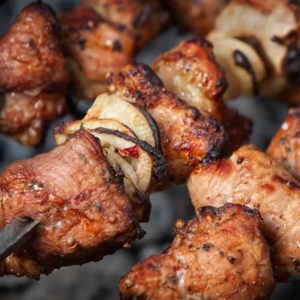
Zi char black pepper beef is a three minute dish. Cut beef tenderloin into 2cm cubes, sear them hard in a smoking hot wok, then toss them through a sauce of butter, oyster sauce, and coarsely crushed black pepper. No meat tenderiser, no hour-long marinade. The stall taste comes from the cut, the heat, and butter added at the very end.
The usual problem. You follow a recipe, the beef comes out grey and chewy, and the sauce tastes like pepper water. The sauce is rarely the culprit. A crowded pan steams the beef instead of searing it, and pre-ground pepper lost its bite months before it reached your kitchen.
Why tenderloin is the cut
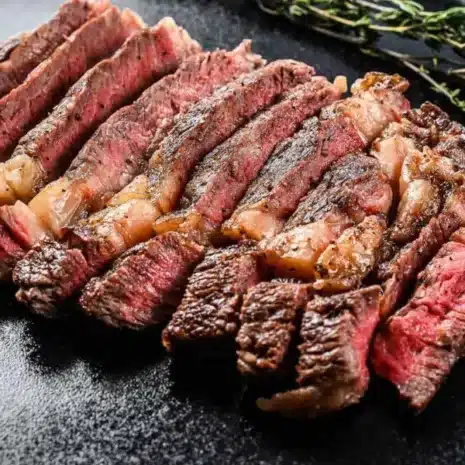
Zi char stalls make cheaper cuts tender with bicarbonate and heavy tenderising. You can skip all of that by starting with tenderloin. It is the least worked muscle on the cow, with almost no connective tissue, so a short blast of heat is all it needs to stay soft. Cook it fast, pull it early, and every cube stays rosy in the middle.
Cubes also suit this dish better than slices. A 2cm cube builds a dark crust on the outside while the centre stays medium rare. Slices overshoot in seconds. Which beef cut takes which method is a guide of its own.
What you need, serves 2 to 3
- 400g beef tenderloin, cut into 2cm cubes
- 2 tablespoons whole black peppercorns
- 30g cold butter, cut into two pieces
- 3 cloves garlic, minced, and 1 small onion in wedges
- Marinade: 1 tablespoon light soy sauce, 1 teaspoon cornflour, 1 teaspoon oil, a pinch of sugar
- Sauce: 1 tablespoon oyster sauce, 1 teaspoon dark soy sauce, 1 teaspoon sugar, 3 tablespoons water
Crush the pepper, do not grind it
Toast the peppercorns in a dry wok over medium heat for a minute or two until they smell warm and woody, then crush them with the flat of a knife or a pestle. You want coarse pieces, not powder. Coarse pepper hits in little bursts, the way the stall version does. Powder just makes the sauce hot and muddy. Stir the sauce ingredients together in a bowl and park it next to the stove.
The wok method, step by step
- Toss the beef cubes with the marinade and let them sit for 15 minutes while you prep everything else.
- Heat the wok until a drop of water skates across it and vanishes. Add 2 tablespoons of oil and swirl.
- Sear the beef in a single layer, half at a time. Leave it alone for 45 seconds, turn, and give it 45 more. Take it out while the middle is still underdone.
- Drop the heat to medium. Add a little fresh oil, then the garlic and onion. Fry until the onion edges char.
- Add the crushed pepper and stir for 10 seconds, then pour in the sauce and let it bubble.
- Drop in the butter and swirl until the sauce turns glossy. Return the beef and its resting juices, toss for 30 seconds, and serve.
Three stall tricks worth stealing
- Butter goes in last. Fried from the start it burns and turns bitter. Swirled in at the end it thickens the sauce and gives it that shine.
- Undercook the beef on the sear. It finishes cooking in the sauce, so pulling it early is the difference between rosy and grey.
- Two batches beat one. A crowded wok loses its heat and the beef boils in its own juice. Sear half, rest, sear the rest.
Getting stall heat from a home stove
Home burners are weaker than a zi char stall’s jet, so borrow time instead of power. Get the wok properly hot before anything touches it, keep the beef in one layer, and do not stir for the first 45 seconds. A cast iron pan works if you have no wok. What you are chasing is browning, and browning needs dry meat on hot metal, so pat the cubes dry if they look wet after marinating.
Serve it straight from the wok with white rice, while the sauce still clings. This dish does not hold. Five minutes on the counter and the crust softens, so if you are cooking several dishes, cook this one last.
Want it closer to the sizzling hotplate version? Add a wedge of capsicum with the onions and finish with a handful of spring onion lengths. Some stalls splash in a teaspoon of Chinese cooking wine at the very end. None of that is required. The pepper, the butter, and the sear carry the dish. Ribeye cubes work here too if you want more fat, so weigh ribeye against tenderloin before you buy.
Before it hits the wok
Thaw frozen tenderloin overnight in the chiller, never on the counter. SFA’s thawing guidance says frozen food should not be left at room temperature, and puts the chiller between 0°C and 4°C.1 A cube with a frozen core sears outside and stays cold inside, no matter how hot the wok is. Press a skewer in to check for ice crystals, then cook it the same day.2
Get the cut that skips the tenderiser
Tenderloin does the soft part for you. Sear it hot, sauce it fast, and dinner beats the stall to the table.
- Singapore Food Agency, Guidelines on Thawing of Food (updated 27 Sep 2024): “Frozen food should therefore not be left to thaw at room temperature, to prevent food poisoning bacteria that may be present from multiplying to high levels.” The same guidance recommends thawing in a chiller “maintained at a temperature not below 0ºC and not above 4ºC”, and adds: “Thaw only the amount of food you require for cooking.” sfa.gov.sg (PDF, p.1) ↩︎
- SFA, same guidelines: “Check for ice crystals in the food using your hand or a skewer.” And on holding: “Cook thawed meat immediately and do not refreeze thawed food. Improper handling and refreezing of food may lead to the growth of bacteria.” sfa.gov.sg (PDF, p.1) ↩︎