
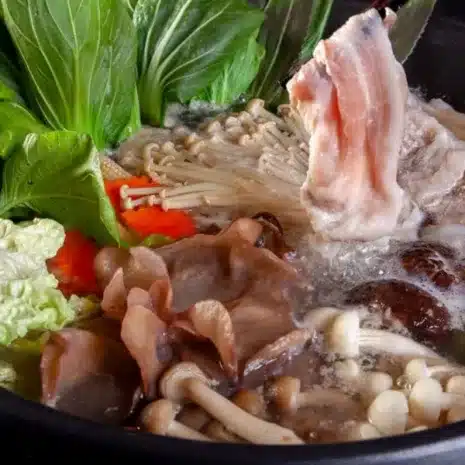
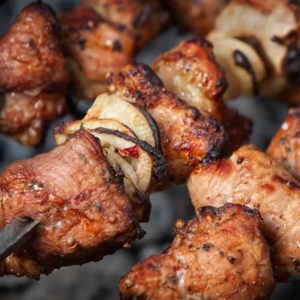
Match the fish to the heat. Steaming is gentle, so it suits delicate, clean-tasting fish: sea bass, pomfret, grouper. Frying is hot and fast, so it suits firm fish that hold together, or soft fillets protected by batter: batang, dory. Soup wants fish that give flavour and slices that stay whole: batang, grouper, snapper, and bones whenever you can get them.
The usual problem. One bag of fillets bought to do everything. The dory that fell apart in the soup and the batang that steamed up dry were not bad fish. They were good fish in the wrong pot. The freezer can cover steaming, frying and soup, but not with one fish.
Two questions pick the fish
How firm is the flesh, and how much fat does it carry. Firm fish take handling: they can be flipped in a pan, simmered in a pot, and picked up with chopsticks without shattering. Soft fish need protection or gentleness. Fatty fish stay moist under fierce heat and forgive an extra minute. Lean fish cook fast and dry out fast, so they want either gentle steam or a short, hot fry and out.
Every freezer staple sits somewhere on those two lines, and its place tells you the pot it belongs in. Worth knowing too: what actually changes in the freezer.
Steaming: gentle heat, delicate fish
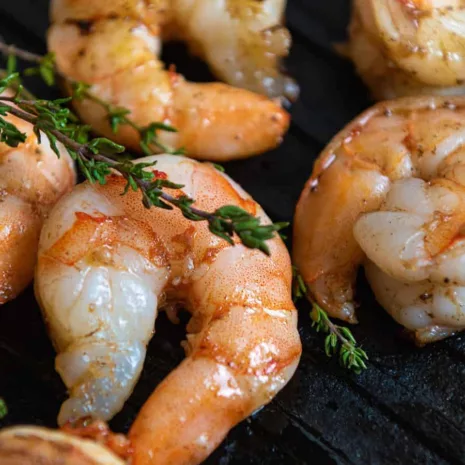
Steam shows a fish exactly as it is, which is why it flatters delicate flesh and exposes tired fish. Whole sea bass and pomfret are the classics: lay the fish on a plate, top with ginger, steam until the flesh just parts from the bone, then hit it with soy and hot oil. Grouper fillets steam beautifully too, firm enough to hold their shape and sweet enough to need nothing else.
Keep the timing short and the fish dry going in. Pat the surface with kitchen paper and pour away the cloudy liquid that collects on the plate halfway through if you want a cleaner-tasting result.
Frying: firm fish, or soft fish in armour
A hot pan is rough on fish, so send in the ones that can take it. Batang, the Spanish mackerel steak you see in every freezer aisle, is the frying fish here: firm, meaty, and happy with nothing more than salt and turmeric before it hits the oil. It holds its shape, flips cleanly, and its edges crisp while the centre stays juicy.
Dory is the opposite creature: soft, mild and boneless. Fried bare it falls apart, but give it armour, a dusting of seasoned flour or a proper batter, and it turns into the easiest fish and chips fillet you can buy. Salmon sits between the two: its fat keeps it forgiving, so it pan-fries well skin-side down with almost no attention. Scallops from the same freezer follow their own rule: dry them or they steam.
Soup: flavour from bones, slices that hold
Good fish soup is built twice. The body comes from bones, heads and trimmings simmered hard, which is why snapper and grouper heads are worth buying on purpose. The bite comes from firm slices added at the end: batang is the sliced-fish-soup standard because the slices stay in one piece from pot to spoon. Grouper does the same job at a higher price and a sweeter finish.
Add the slices in the last minutes and take the pot off the heat as they turn opaque. Fish keeps cooking in hot broth, and the gap between silky and chalky is small.
The freezer staples, mapped
| Fish | Texture | Fat | Best at | Watch out for |
|---|---|---|---|---|
| Batang | Firm, meaty | Lean to medium | Frying, soup slices | Dries out if overcooked |
| Dory | Soft | Medium | Battered frying, baking | Falls apart in soup |
| Salmon | Medium | Fatty | Pan-frying, steaming | Cooks faster than it looks |
| Sea bass | Delicate to medium | Medium | Steaming whole | Short window before it overcooks |
| Pomfret | Delicate | Lean | Steaming whole | Thin body, quick to finish |
| Grouper | Medium-firm | Lean | Steaming, soup | Costs more than the rest |
Whole fish or fillets
Buy the format the dish wants, not just the fish. Whole fish are for steaming: the bones and skin protect the flesh and feed the sauce, and the presentation does half the work at the table. Fillets and steaks are for frying, where you want flat surfaces and no bones in the way. For soup, the ideal basket is one bag of slices for the bowl and one head or bone pack for the broth. That basket makes hawker-style sliced fish soup at home.
Frozen portions also solve the family-size problem. A whole fish feeds the table once. A bag of portioned fillets lets you cook two pieces tonight and keep the rest solid for next week, which is the freezer doing exactly what it is for.
If the freezer has the wrong fish
- Soft fish, soup night: slide the pieces in off the boil at the very end and serve straight away, before the broth can shake them apart.
- Only batang, steaming planned: steam it short and sauce it generously. It will be firmer than sea bass, not ruined.
- Lean fish, frying night: coat it. Flour or batter holds the moisture in and buys you time in the oil.
Before it hits the steam
Thaw the fish all the way through first. A fillet with a frozen core cooks outside-first: the surface flakes while the middle stays translucent, and no extra minutes fix it cleanly. SFA puts it plainly: thaw food thoroughly before cooking, because partially frozen food needs longer and the inside may stay uncooked.1 Feel for ice crystals before the fish goes on the plate, then pat it dry.
Give the dish the fish it wants
Steam the delicate ones, fry the firm ones, save the bones for soup. The freezer covers all three.
- Singapore Food Agency, Guidelines on Thawing of Food (updated 27 Sep 2024, p. 1): “Thaw food thoroughly before cooking. Frozen or partially frozen food will require longer cooking time. The external surfaces of this food could be cooked, but the inner portion might remain uncooked and harmful bacteria within the food may not be killed.” sfa.gov.sg (PDF) ↩︎